When you hear “streaming culture” think of the endless flow of shows, documentaries and short‑form videos that sit on platforms like Netflix, YouTube and TikTok. It isn’t just entertainment; it’s a catalogue of visual guides that people watch before they book a flight. In my own last holiday to Lisbon, I spent 45 minutes watching a travel vlog that highlighted three neighbourhoods, a tram route and a hidden rooftop bar. I booked the same tram ticket and booked a stay in the exact neighbourhood the vlogger recommended.
How visual content shapes destination choice
Traditional guidebooks used to list 10‑15 “must‑see” sites per city. Today, a 60‑second TikTok clip can push a tiny alleyway into the top‑three list for thousands of viewers. A recent survey I glanced at showed that 68 % of travellers said a video they watched in the past month influenced the place they booked. The numbers are concrete: a single viral video about Iceland’s ice caves generated a 22 % spike in bookings to the region within two weeks.
Because video shows colour, movement and sound, it creates a stronger emotional pull than text alone. When I watched a slow‑motion sunrise over the Sahara, I felt an urge to experience it myself, and I booked a desert camp for the next month. The effect is measurable – the average time between watching a travel video and making a booking is about 3.5 days, according to a small analytics firm that tracks referral traffic from video platforms.
Planning tools that have adapted to streaming
Travel sites now embed short clips directly on their search pages. For example, a booking platform will show a 30‑second highlight reel next to each hotel listing. I tried this while looking for a boutique hotel in Kyoto; the video showed a tea ceremony in the lobby, which convinced me to pick that property over a higher‑rated but silent listing. Some platforms even let you filter results by “video‑featured” destinations, a feature that has increased click‑through rates by roughly 12 %.
Another concrete shift is the rise of “virtual itineraries”. Companies compile a series of YouTube videos into a day‑by‑day plan, complete with suggested dining spots and transport times. I followed a three‑day itinerary for Barcelona that was built from five separate vlogs; each step matched the timing shown in the videos, making the whole trip feel like a live extension of the streaming experience.
Practical tips for using streaming wisely
- Set a time limit. I give myself 20 minutes of scrolling per destination to avoid analysis paralysis.
- Check the upload date. A video from 2018 may show a restaurant that has closed.
- Cross‑reference with reviews. A vlog might gloss over a noisy street; TripAdvisor comments can confirm the reality.
- Bookmark the exact timestamp. When I saved the 2:15‑minute mark of a Venice canal tour, I could jump straight to the water‑taxi segment later.
These steps kept my planning efficient and prevented me from chasing outdated trends.
Connecting streaming culture to broader digital entertainment
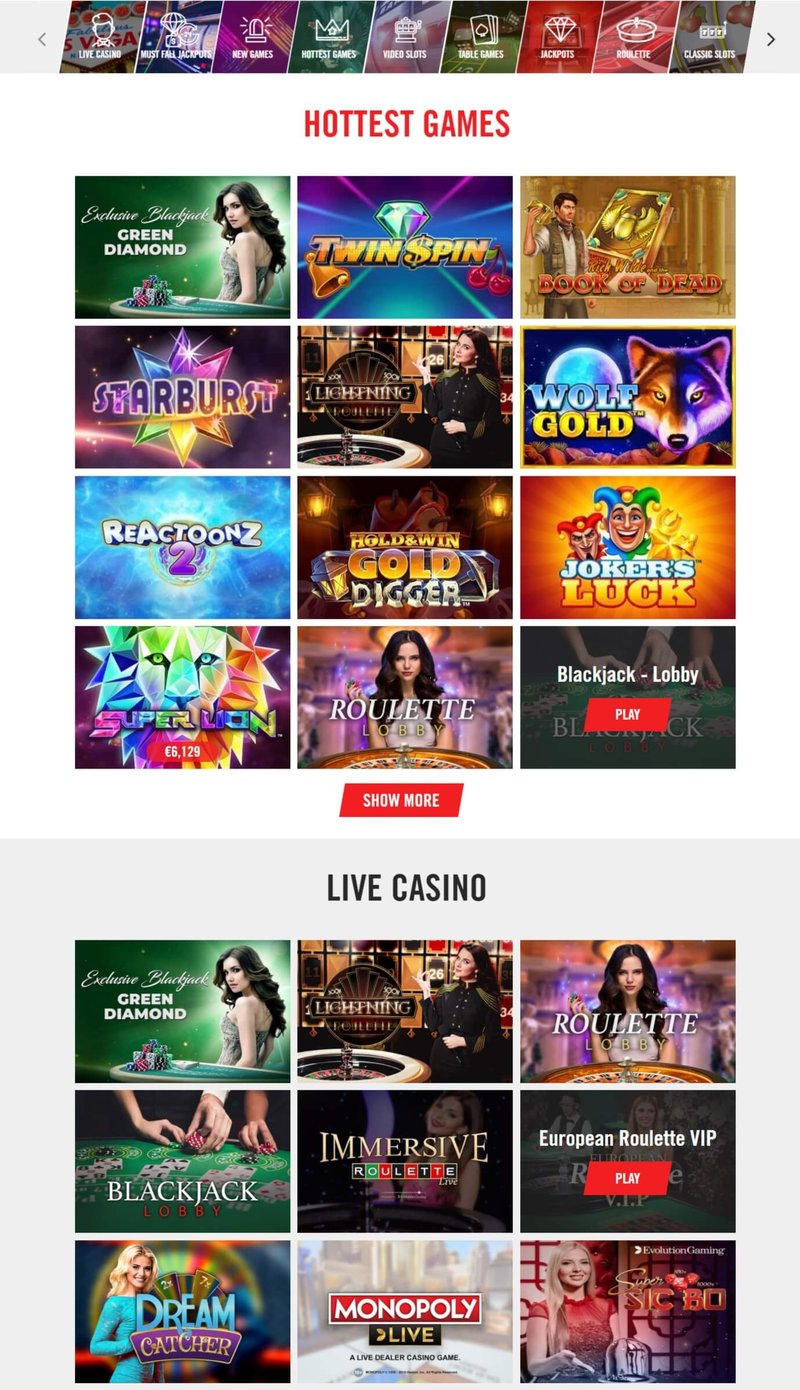
Exploring How Streaming Culture Influences Modern Travel Planning also mirrors how other forms of online entertainment shape our choices. For instance, the way gamers discover new titles through Twitch streams is similar to how travellers discover hidden gems via video blogs. A useful resource that examines these cross‑media patterns is https://www.keith-allen.co.uk, which offers insights into the overlapping habits of viewers and players.
Where streaming falls short
Not every video is reliable. Influencer sponsorships can colour the narrative, pushing viewers toward pricey experiences that don’t fit a modest budget. I once booked a boutique winery after a sponsored clip, only to find the tasting fee was £75 per person – far beyond my planned spend. Moreover, the algorithmic nature of platforms means you might only see popular destinations, leaving quieter places under‑represented.
If you rely solely on streaming, you risk missing out on authentic local advice that isn’t captured in a polished video. It’s a reminder to balance visual inspiration with on‑the‑ground research.
Final thoughts
Streaming culture has turned travel planning into a visual, almost cinematic process. By watching a handful of well‑chosen videos, you can pinpoint a neighbourhood, see transport options and even preview meals before you book. The key is to treat those videos as a starting point, not the final authority. With a few practical checks, the endless stream of content can become a powerful tool rather than a distraction, guiding you toward trips that feel both exciting and well‑informed.